Struggling with debt? Get a fresh start.
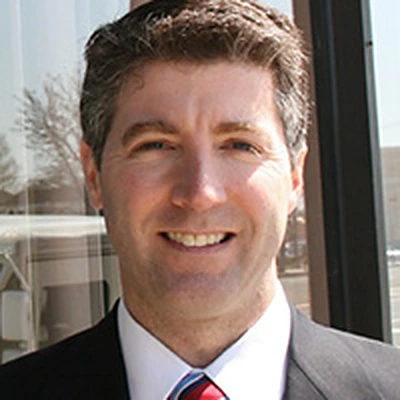
For more than 35 years, Scott R. Schneider has helped Long Island families stop foreclosure, end creditor harassment and get a clean financial slate through Chapter 7 and Chapter 13 bankruptcy.
Call for a free consultation(516) 433-1555You meet with Scott himself, not a case manager.
Bankruptcy and foreclosure help for Nassau and Suffolk County
Bankruptcy is a federally guaranteed process that lets you discharge debt, stop creditor harassment, protect your assets and start over. Scott focuses on helping individuals and families find the option that fits their situation.
Chapter 7
Wipe out qualifying debts like credit cards and medical bills, often in a matter of months, and get a true financial fresh start.
Chapter 13
Keep your home and car while you catch up on what you owe through a court-approved payment plan of up to five years.
Chapter 11
For small businesses and people with larger debts, Scott also handles the more complex Chapter 11 reorganizations.
Foreclosure Defense
Facing the loss of your house? Scott works one-on-one with homeowners to stop foreclosure and save the home.
We can help you stop
Filing puts the automatic stay in place, which can halt most collection actions right away.
- Wage garnishments
- Foreclosure proceedings
- Car repossession
- Collection calls and letters
- Frozen bank accounts
- Credit card and medical debt
Chapter 7 or Chapter 13 at a glance
The two most common kinds of personal bankruptcy work very differently. Here is how they compare.
| Chapter 7 | Chapter 13 | |
|---|---|---|
| How it works | Qualifying debts are wiped out | You repay part of what you owe through a court-approved plan |
| How long it takes | Usually about 4 to 6 months | A 3 to 5 year plan |
| Monthly payments | None to the court | One monthly payment, based on what you can afford |
| Your house | Best if you are current on the mortgage | Lets you catch up on missed mortgage payments and stop a foreclosure |
| Who it suits | Lower income, mostly credit card and medical debt | Steady income, behind on a home or car, or over the Chapter 7 income limit |
| Stops collections | Yes, as soon as you file | Yes, as soon as you file |
How long each one takes
Your life is not over. For most people, it gets better.
The biggest worry people bring to the first meeting is what happens afterwards. Bankruptcy is a legal fresh start that millions of Americans have used, and most rebuild faster than they expect.
A clear path from first call to fresh start
Free consultation
Sit down with Scott to talk through your debts, your income and your goals. No cost and no obligation.
A plan that fits
Scott explains your options in plain language, clears up the myths, and recommends the right chapter for you.
Representation in court
Scott handles the filing and personally represents you at every hearing, until your case is resolved.
Straight answers about filing on Long Island
Plain-language guides to the situations people bring to Scott most often. Every case is different, so the free consultation is where you get answers for yours.
Do you qualify for Chapter 7?
Chapter 7 starts with the means test. If your household's average income over the six months before filing, counted for a full year, is under the New York median for your household size, you generally qualify.
| 1 person | $73,354 |
| 2 people | $93,084 |
| 3 people | $115,229 |
| 4 people | $143,194 |
| Each extra person | + $11,100 |
Should I file, or try to pay it off?
Add up your credit cards, medical bills and other unsecured debts, and ask how long it would honestly take to pay them off with the interest. If it is under two years, paying them down is often the better choice.
If it would take two years or more, bankruptcy may save you far more than it costs, and the money that would have gone to creditors can go to savings instead. Owning a second property that is underwater, or being sued over a debt left after a foreclosure, can also make filing the smarter move.
Can I keep my car?
Usually, yes. In Chapter 7 you have three choices:
- Keep paying. You sign an agreement to keep the loan going, and on-time payments help rebuild your credit.
- Buy it at today's value. You pay what the car is worth now in one payment instead of the loan balance. Owe $15,000 on a car worth $7,000, and you may be able to keep it for $7,000. Some lenders finance exactly this.
- Give it back. You return the car, and whatever is still owed after the lender sells it is wiped out with your other debts.
In Chapter 13 you can usually keep the car and catch up on missed payments through your plan.
What else can I keep?
Far more than most people expect. New York law protects a set amount of equity in your home and your car, your everyday household belongings, and most retirement savings such as 401(k)s and IRAs.
Chapter 13 can protect property worth more than those limits, because you keep it and pay through the plan instead. Scott will go through what is protected in your case before you decide anything.
How do I stop a wage garnishment?
In New York, a creditor with a court judgment can take up to 10 percent of your gross pay, and can freeze your bank account. Filing for Chapter 7 or Chapter 13 stops both.
Scott can time the filing for just before payday, then contact the creditor's lawyers right away to have the garnishment released and send the release to your employer's payroll office, so the deductions stop as fast as possible. Filing can help with some IRS garnishments too.
Can bankruptcy stop a foreclosure?
Filing stops a foreclosure, including a scheduled sale, right away. In Chapter 7 that is often only a pause, because the bank can ask the court for permission to go ahead.
Chapter 13 is usually the lasting fix. You catch up on the missed payments over up to five years while making your regular payment, and the bank has to accept the plan once the court approves it.
My house is underwater and I have a second mortgage
If your home is worth less than you owe on the first mortgage, the second mortgage or home equity line has nothing behind it. In Chapter 13 it can be "stripped off": treated like credit card debt, paid only in part through your plan, and the rest wiped out when the plan ends.
For example, a house worth $400,000 with a $420,000 first mortgage and a $60,000 second mortgage: the second has no equity behind it, so it can be stripped, saving tens of thousands of dollars.
Student loans, taxes and lawsuits
Student loans are hard to wipe out. It takes proving undue hardship in a separate case, though that has become somewhat easier in recent years. Chapter 13 can still stop collection and let you catch up over time.
Taxes and support. Child support and most recent taxes cannot be wiped out and are paid in full through a Chapter 13 plan, but older income taxes sometimes can be discharged.
Lawsuits by creditors stop when you file, and the debt behind them is usually wiped out with the rest.
Debt settlement, consolidation and loan modification companies
Be careful before you pay anyone. Debt settlement plans often tell you to stop paying your bills while they negotiate, which can bring late fees, lawsuits and a lower credit score, with no promise your creditors will agree.
A consolidation loan against your house turns credit card debt into debt secured by your home, which puts the home at risk and cannot be wiped out later. Loan modification services are often not connected to your bank or any government program, and many requests are turned down.
Bankruptcy is a right protected by federal law. Talk to a lawyer about every option first.
What if a creditor keeps calling after I file?
The automatic stay is a court order. A creditor who keeps calling, suing or collecting after being told you filed can be held in contempt by the bankruptcy judge. Give them your case number and Scott's phone number.
The stay does not last forever for a mortgage or car loan. If you stop paying those after you file, the lender can ask the court for permission to move ahead.

"When I meet with a client, I listen first. Bankruptcy can feel overwhelming, and every family's situation is different. I take the time to understand yours, I care about what you are going through, and I explain your options in plain language."
Scott R. Schneider
Scott has been representing individuals in bankruptcy since being admitted to practice in 1991. For more than three decades he has been in bankruptcy court three to four days a week, and he brings that experience to every case he takes on.
He has helped many people get rid of credit card debt and medical bills, stopped foreclosure proceedings for homeowners, and worked out payment plans that let families keep their homes. While his focus is Chapter 7 and Chapter 13, he has also had success with complex Chapter 11 filings.
Bankruptcy is all he practices. He was already working in bankruptcy court before he was admitted as a lawyer, and he studied accounting, economics and finance in college, so he looks at your whole financial picture, not only the legal side, and can help you plan for rebuilding your credit afterwards.
At his firm you are not handed off. Scott meets with you personally, explains every step from the free consultation to the end of the court proceedings, and represents you in court himself.
Since 1990 he has also volunteered with the Volunteer Lawyers Project, representing people in bankruptcy who cannot afford a lawyer. That work has earned him Pro Bono Attorney of the Month three times, the Nassau County Bar Association's Pro Bono Attorney of the Year, and New York State Bar Association Pro Bono Service Awards.
Bar Admissions
- New York, 1991
- New Jersey, 1991
- U.S. District Courts, Southern, Eastern, Northern and Western Districts of New York
Education
- St. John's University School of Law, J.D., 1990
- C.W. Post College, B.S. magna cum laude, 1987
- Phi Delta Phi and Moot Court, St. John's
Honors
- Pro Bono Attorney of the Year, Nassau County Bar Association, 2022
- NYSBA Pro Bono Service Award, 2007, 2020 and 2021
- Pro Bono Attorney of the Month, Volunteer Lawyers Project, 2004, 2009 and 2015
- NYSBA Empire State Counsel, 2006 and 2007
- Martindale-Hubbell BV rated
Memberships
- Nassau County Bar Association, Bankruptcy Committee
- Suffolk County Bar Association
- New York State Bar Association
Teaching
- Teacher, Coalition for Consumer Bankruptcy Debtor Education Program
- New York Foreclosure and Workouts seminar, National Business Institute, 2010
Pro Bono
- Volunteer Lawyers Project, 1990 to present
- Free representation in bankruptcy for people who cannot afford a lawyer

"They truly treat you like family."
From day 1, Scott treated me as if I was his only client, and always gave me his full attention. In the past I have had trouble even getting my attorney on the phone, but Scott is very different. The entire team made me feel very comfortable with my "uncomfortable" situation. They truly treat you like family.
Highly satisfied with my experience. Free consultation meant free and informative. He made my bankruptcy process easy to follow. Very reliable and knowledgeable lawyer.
Filed for bankruptcy and this is supposed to be a stressful situation. Scott and his staff are friendly and reassuring. From beginning to end it was stress free.
Mr Schneider was very professional, non judgmental and extremely helpful in a very stressful and trying time for me. Choosing his firm was the best decision I ever made.
This firm has done this before! Scott and his professional, understanding staff were fantastic. From the initial interview with Scott I knew I was in the right place.
From thank-you letters to the office
"Your expertise and kindness in handling everything was invaluable. Now I can look forward to my future."Kathy P.
"You and your associates went above and beyond what I expected, and I have been given an opportunity for a fresh start."Dawn L.
"Thank you so much for making a difficult time in our life so much easier. Very professional and kind, never complaining about my phone calls or questions."John and Sharon R.
"Thank you for your kindness and courtesy to me during a very trying time. A terrific and professional staff."Joan W.
What people ask before they call
Is the first consultation really free?
Yes. Your initial consultation with Scott is free and comes with no obligation. You will leave understanding your options, whether or not you decide to file.
Will I lose my house or my car?
Not necessarily. Many people keep their home and car, especially through Chapter 13, which lets you catch up on missed payments over time. Scott will look at your situation and explain what you can keep.
Can bankruptcy stop the collection calls?
Yes. When you file, the automatic stay goes into effect, which stops most creditors from calling, suing, garnishing your wages or continuing a foreclosure while your case moves forward.
Chapter 7 or Chapter 13, which is right for me?
It depends on your income, your assets and your goals. Chapter 7 can wipe out qualifying debts quickly; Chapter 13 sets up a payment plan so you can protect property. That is exactly what the free consultation is for.
Will bankruptcy ruin my credit forever?
No. A Chapter 7 can stay on your credit report for up to 10 years and a Chapter 13 for up to 7, but its effect fades much sooner. Once the old debts are wiped out, many people see their scores start to rise within a year or two, and some are approved for car loans or credit cards shortly after their case ends.
Will my life be different after I file?
For most people, it gets easier. The calls and letters stop, garnishments end, and you can plan around a budget again instead of a pile of bills. You keep your job, and in most cases your home, car and everyday belongings.
Will I be working with Scott directly?
Yes. Scott personally meets with his clients and represents them in court himself.
Visit or call the office
- Address
- 117 Broadway
Hicksville, NY 11801 - Phone
- (516) 433-1555
- Fax
- (516) 433-1511
- Hours
- Monday to Friday, 9 a.m. to 6 p.m.
Evening meetings by request - Serving
- Hicksville, Syosset, Westbury, Levittown, Merrick, Muttontown, Melville, Lindenhurst and all of Nassau County, Suffolk County and Long Island